
Thinking about the sun in the Dear Green Place
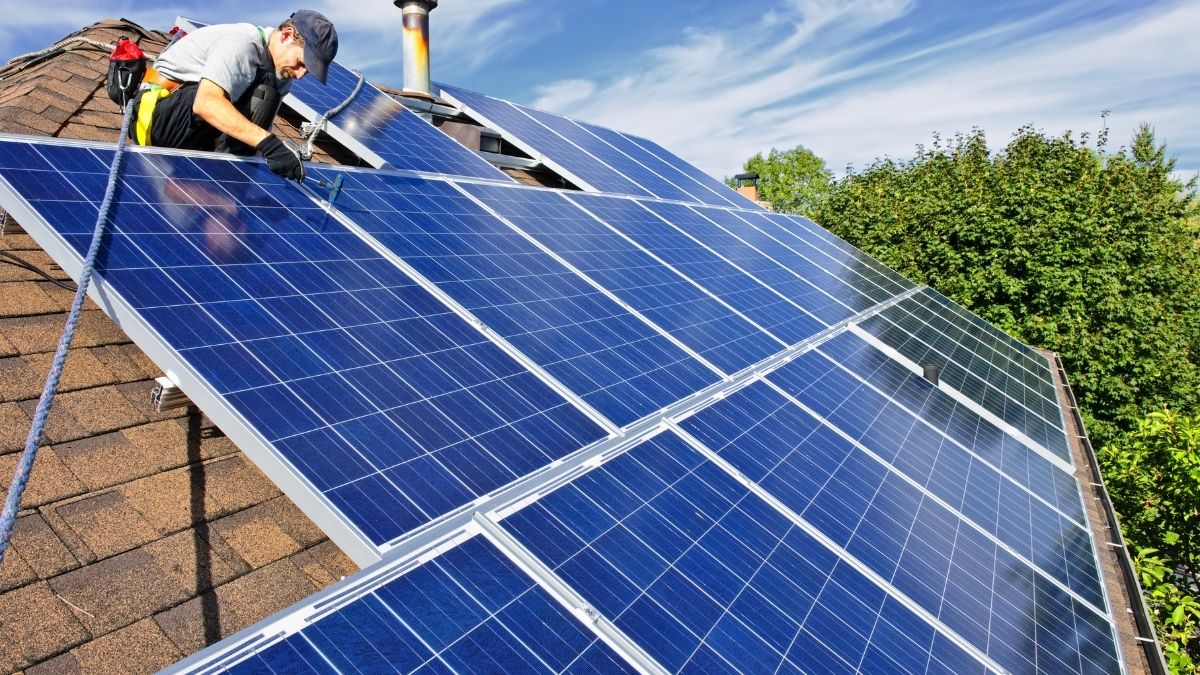
It is a bit of a running joke that if you do not like the weather in Glasgow, you should just wait five minutes. We are famous for our grey skies, our horizontal rain, and the kind of mist that clings to the Clyde for days on end. So, when someone mentions the idea of installing solar panels, the first reaction from many locals is usually a polite laugh or a skeptical look towards the clouds. However, the reality of renewable energy in the West of Scotland is shifting rapidly, and more people than ever are discovering that Solar panels Glasgow are not just a viable option, but a genuinely smart financial move.
The misconception that solar power only works in sun-drenched Mediterranean climates is one of the biggest hurdles for homeowners here. In reality, solar photovoltaic (PV) technology has advanced to the point where it is remarkably efficient at capturing daylight, even when that light is filtered through a thick layer of Scottish cloud. It is not about heat; it is about light. As long as there is daylight, those panels are working to shave money off your monthly outgoings and reduce your reliance on the National Grid.
How solar technology actually handles the Scottish climate
To understand why this works, we have to look at how the panels operate. Solar cells use photons to knock electrons loose from atoms, generating a flow of electricity. While direct, bright sunlight provides the highest intensity of photons, diffuse light—the kind we get on a typical overcast Tuesday in Partick—still contains enough energy to generate a significant amount of power. In fact, solar panels can actually perform more efficiently in cooler temperatures. Like most electronic devices, they can lose a bit of efficiency if they get too hot, so the temperate, breezy climate of Glasgow is actually quite helpful for keeping the system at an optimal operating temperature.
Furthermore, the high amount of rainfall we get in the West of Scotland has a hidden benefit for solar owners. Dust, pollen, and bird droppings can accumulate on panels and reduce their effectiveness over time. In drier climates, homeowners have to manually clean their arrays or hire professional cleaners. In Glasgow, the frequent rain acts as a natural, free cleaning service, ensuring that your panels remain clear and capable of absorbing as much light as possible without you ever having to climb a ladder.
The financial side of making the switch
The primary driver for the surge in interest across the city is, unsurprisingly, the cost of living. Energy prices have been volatile for years, and for many households, the prospect of generating their own power is the best way to regain some control over their finances. When you install a solar system, you are essentially pre-paying for your electricity for the next 25 to 30 years at a fixed, much lower rate.
There are several ways that a system pays for itself over time:
- Direct Savings: Every kilowatt-hour of electricity you generate and use yourself is one you do not have to buy from your energy supplier.
- The Smart Export Guarantee (SEG): If your system generates more power than you can use, you can sell that excess back to the grid. While the rates vary between suppliers, it provides a steady stream of passive income.
- Protection Against Inflation: As the price of grid electricity inevitably rises, the value of the energy you produce yourself increases, shortening the ‘payback period’ of your initial investment.
- Increased Property Value: Modern homebuyers are increasingly looking for energy-efficient features. A well-installed solar system can make a property more attractive in a competitive market.
Navigating Glasgow architecture and planning
Glasgow is a city of incredible architectural variety, from the red sandstone tenements of the Southside to the modern developments along the riverside and the sprawling suburban homes in areas like Bearsden or Giffnock. This variety means that there is no ‘one size fits all’ approach to installation. For most residential properties, solar panels fall under ‘permitted development,’ meaning you do not need formal planning permission to install them. However, there are exceptions that Glaswegians need to be aware of.
If you live in a conservation area—and Glasgow has many, from the Park District to the West End—or if your home is a listed building, you will likely need to consult with Glasgow City Council before proceeding. They are generally supportive of green energy initiatives, but there may be specific requirements regarding how the panels are positioned to ensure they do not negatively impact the historical character of the street. Working with a local installer who understands these nuances is crucial for a smooth process.
The role of battery storage in the West of Scotland
One of the most significant developments in recent years is the rise of domestic battery storage. In the past, if you were at work during the day while your panels were producing the most energy, that power would simply go back to the grid. By the time you got home and turned on the oven or the washing machine, the sun was down, and you were back to buying expensive grid power. Batteries change that dynamic entirely.
With a battery system, the energy generated during the day is stored for you to use in the evening. This is particularly useful in Scotland during the winter months when daylight hours are short. Even on a dim winter day, your panels can trickle-charge a battery, providing you with a reserve of green energy to use during the peak evening hours when electricity prices are often at their highest.
What to expect during the installation process
If you have decided to look into solar, the process usually begins with a technical survey. A surveyor will look at the orientation of your roof—south-facing is ideal, but east and west-facing roofs are still very productive—and the pitch or angle of the tiles. They will also check for any potential shading from chimneys, trees, or neighbouring buildings, as even a small amount of shade can impact the performance of the entire string of panels.
The actual installation is surprisingly quick, usually taking just one or two days for a standard domestic roof. It involves:
- Scaffolding: Setting up a safe working platform for the installers.
- Roof Anchors: Attaching sturdy brackets to the rafters of your roof to ensure the panels stay put during our famous Atlantic gales.
- Mounting Rails: Fixing the aluminium rails that hold the panels in place.
- Electrical Connection: Running the cables from the roof to an inverter, which converts the DC power from the panels into the AC power used by your home appliances.
- Testing: Ensuring the system is communicating correctly with your consumer unit and, if applicable, your battery and monitoring app.
Looking at the long-term impact
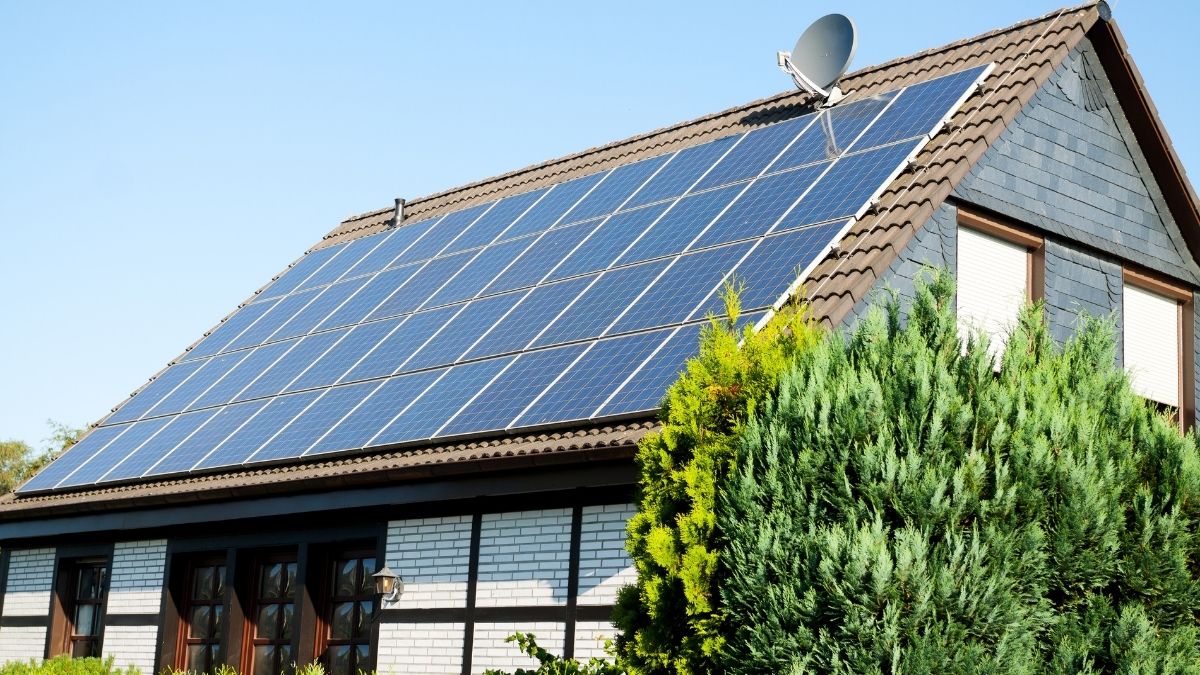
Beyond the personal financial benefits, there is a broader community aspect to consider. Glasgow has set ambitious targets to become a Net Zero city. Every rooftop that transitions to solar contributes to a more resilient, decentralised energy grid. It reduces the overall carbon footprint of the city and helps decrease the demand for fossil-fuel-generated power. For many residents, there is a genuine sense of pride in knowing that their home is part of the solution to the climate crisis, providing a cleaner environment for the next generation of Glaswegians.
Maintaining these systems is remarkably simple. Aside from the occasional visual check to ensure no debris has become lodged under the panels, there are no moving parts to wear out. Most modern inverters come with smart monitoring apps, allowing you to see exactly how much power you are generating in real-time from your phone. This often leads to a bit of a ‘gamification’ of energy use, where families start to time their appliance use—like running the dishwasher or tumble dryer—for when the sun is at its peak, further maximising their savings.

Stacy Lewis specializes in contemporary art painting, with a focus on exploring texture, color dynamics, and emotional expression through her writing and curation. She is passionate about showcasing emerging artists and innovative painting techniques.